Transform Your Area: Best Paint Choices to Upgrade Your Home's Design
Revamping a residence through brushwork can dramatically modify its aesthetic appeal. The choice of colors plays a vital role in shaping emotion and perception. Professional painting providers present a diverse range of techniques fitted to individual preferences. Understanding these options and their outcomes is vital. As homeowners prepare for a transformation, questions about budgeting and planning naturally arise. What considerations will lead to a successful project? The answers may surprise you.
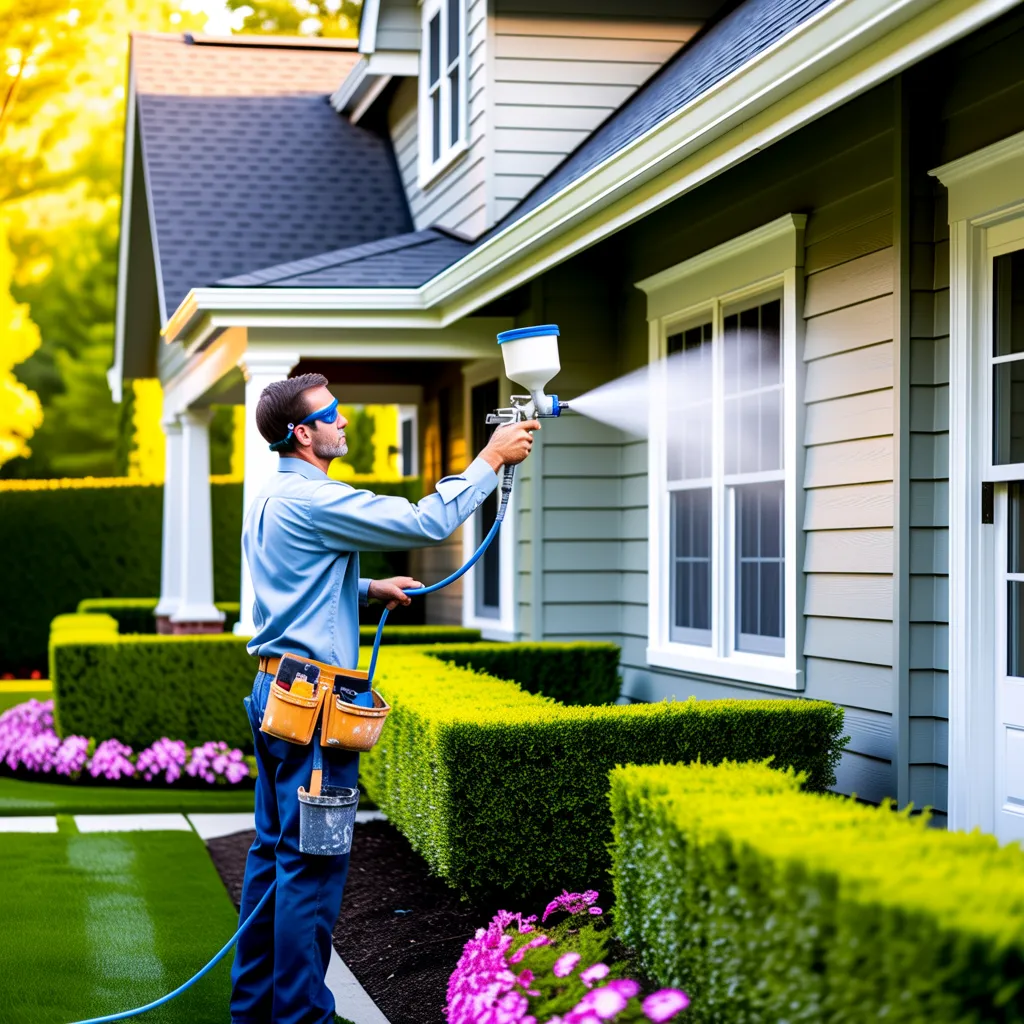
Grasping the Influence of Color on Mood and Space
In what manners does pigment impact one's perception of space and emotions? Pigments play an important position in shaping human activities and emotional states. For instance, bright hues like red and orange can evoke enthusiasm and warmth, making a room come across as attractive. In contrast, cool shades such as blue and green often advance peace and relaxation, extending the awareness of space.
The choice of color can also influence the mood of inhabitants. Vibrant shades may encourage creativity and happiness, while deeper colors can create a feeling of coziness or sadness. Additionally, lighter colors tend to reflect more light, making rooms look bigger and more spacious, while darker tones can create an cozy environment. Therefore, comprehending the psychological effects of pigment assists individuals take informed decisions when designing their living environments, ultimately enhancing comfort and well-being.
Selecting the Ideal Painting Service for Your Requirements
Picking the right paint service can greatly impact the outcome of a home makeover. Homeowners should commence by evaluating their individual requirements, including the size of the project and wanted finishes. Researching regional painting services is vital; reviews and recommendations can provide insight into a company's trustworthiness and standard of work.
Furthermore, prospective customers should ask for estimates to compare pricing and offerings offered. This step helps in understanding what is covered, such as prep work, materials, and guarantees. It is also advisable to ask regarding the painting contractors' background and whether they are licensed and insured, guaranteeing peace of mind during the project.
In conclusion, effective dialogue is important. A professional painter should be attentive to concerns and wishes, fostering a cooperative relationship that corresponds to the homeowner's vision. By carefully considering these factors, residents can choose a painter that fulfills their aesthetic goals and budget.
Well-Known Painting Techniques to Improve Your Home
Throughout the arena of home painting, sundry techniques can notably amplify aesthetic appeal. Accent walls, faux finishes, and color blocking extend unique ways to modify spaces and reflect personal style. Analyzing these options can establish a more vibrant and inviting home environment.
Accent Wall Style Suggestions
Accent walls have become an increasingly popular way to add layers and individuality to indoor environments. Homeowners are considering various ideas to make a mark, often using vibrant colors or uncommon patterns. One popular approach is the application of geometric shapes, which can generate a up-to-date and dynamic feel. Alternatively, nature-inspired colors can inspire tranquility, making spaces feel calm and inviting. Textured finishes, such as shiplap or brick, can also add visual interest and warmth. For a elegant touch, metallic paints can provide an elegant sheen, improving the overall decor. These design options not only raise the aesthetic but also reflect the homeowner's personal style, making accent walls a flexible option for modern interiors.
Imitation Surface Techniques
Faux finish approaches come in a range that can turn ordinary walls into striking focal points that resemble pricier materials. Techniques like sponging, rag rolling, and venetian plaster generate the illusion of texture and depth, increasing visual appeal. For example, sponging includes applying a base coat, followed by a contrasting color using a sponge, which results in a soft, layered look. Conversely, rag rolling applies a rolled-up rag to create a distinctive pattern, adding personality to any room. Venetian plaster gives a polished finish, frequently used in upscale interiors. By using these methods, homeowners can attain a high-end look without the high cost, making faux finishes a common choice for upgrading home decor.
Color Blocking Strategies
Color blocking prominently grabs attention in modern interior design, delivering a bold way to outline spaces and communicate individuality. This technique requires using two or more opposing colors in a single area, creating visual interest and a dynamic atmosphere. Homeowners can utilize color blocking intentionally, such as painting an accent wall or dividing walls into geometric sections. Selecting complementary colors improves the overall aesthetic, while choosing shades from the same palette can create a more subtle effect. It's essential to consider room size and lighting, as these factors affect how colors interact. By implementing color blocking, homeowners can reimagine mundane walls into striking focal points, enhancing their home's aesthetic and personal style.
Environmentally Responsible Paint Work: Eco-Friendly Options Worth Exploring
Many residents are progressively pursuing sustainable painting options that minimize ecological footprint while enhancing the beauty of their homes. Green paints, such as aqueous and low-VOC (volatile organic compounds) varieties, are gaining popularity. These selections lower toxic fumes and promote healthier indoor air quality.
Natural pigments, derived from minerals and plants, provide vibrant colors without synthetic additives, catering to those who favor organic materials. Additionally, recycled and repurposed paint products are becoming more available, allowing for creative applications without compromising sustainability.
Beyond paint, employing eco-conscious tools, such as bamboo brushes and rollers made from recycled materials, further supports green practices. Homeowners are urged to contemplate the lifecycle of their chosen products, opting for those that offer lasting quality and endurance. By choosing sustainable painting options, individuals not only improve their home's aesthetic but also contribute positively to environmental preservation.
How to Plan financially for Your Paint Job
Choosing eco-friendly paint options is just one part of renovating a home. Planning effectively for a painting project is equally crucial. Homeowners should begin by assessing the scale of the project, which includes measuring the areas to be painted and determining the number of rooms involved. Next, they should research the cost of materials, such as eco-friendly paints and necessary supplies.
Labor costs can vary greatly, so obtaining multiple quotes from local contractors is advisable. It is crucial to reserve a contingency fund, typically 10-15% of the total budget, to cover unforeseen expenses that may arise during the project.
Ultimately, property owners should focus on their priorities and manage their spending accordingly, making certain that essential areas get necessary attention while maintaining financial stability. By strategically planning and examining every element, property owners can produce an appealing renovation without surpassing their financial limits.
Critical Questions to Request From Your Painting Contractor?
When choosing a painting contractor, homeowners often ponder what key inquiries can guarantee an educated choice. Asking about supplementary information the contractor's skills and background is crucial; finding out how many related jobs they have completed can demonstrate their competency. Homeowners should also seek details about the types of paint and materials they recommend, since top-tier materials can significantly affect the longevity of the project. It’s important to go over the project timeline and the anticipated start and completion dates. Furthermore, knowing the payment structure, including any upfront costs and final payments, can help prevent unexpected charges. Homeowners should not hesitate to request references or examples of past work, ensuring they are happy with the contractor's style and reliability. Lastly, discussing guarantee choices and the range of after-completion support can provide peace of mind, securing the project is covered for years to come.
Outlining Your Painting Assignment: Tips for a Trouble-Free Situation
Planning a paint undertaking can seem intimidating; however, with careful organization and preparation, homeowners can assure a trouble-free experience. First, picking the correct color is essential; utilizing sample swatches can help picture the finished look. Next, it is important to clear the area of furniture and decor to enable convenient access and protect belongings from paint splatters.
Homeowners should also consider the timing of the task. Timing the work during appropriate weather can enhance paint adhesion and drying duration, particularly for exterior jobs. Additionally, developing a detailed timeline for the task can stay on schedule.
Finally, obtaining quality materials is critical. Investing in high-quality paint and tools can greatly impact the durability and appearance of the project. By adhering to these guidelines, homeowners can optimize their painting undertaking, transforming their space efficiently while enjoying the process.
Regularly Asked Questions
How Much Time Will a Typical Home Paint Undertaking Last?
A typical home painting job usually takes approximately 3-7 days, based on factors such as the size of the space, the number of rooms, and the intricacy of the painting work involved.
What Ranges of Paint Finishes Are Ready?
Various coating options are available, including matte, eggshell, satin, semi-gloss, and gloss. Each finish offers unique properties, impacting durability and sheen, allowing homeowners to select based on their visual preferences and practical needs.
Is It Feasible to Remain at My House While the Paint Job is Taking Place?
Yes, one can remain at home during the painting process. However, it may be advisable to maintain distance from the work area to avoid fumes and ensure a smooth process for the painters.
How Can I Get My Home Ready for Freshly Painted Walls?
To prepare a home for paint work, one should remove furniture, protect floors, wash surfaces, fix any damage, and mask edges. Maintaining proper ventilation and arranging supplies also enables a more efficient painting experience.
What happens if I'm not satisfied with the results?
If disappointment occurs, the homeowner should communicate concerns with the painting service. Many reputable companies offer touch-ups or adjustments to meet expectations, guaranteeing a satisfactory outcome and upholding their commitment to excellent customer service.